They are four words that can make your world stop: “You have colorectal cancer.”
After the shock wears off, many people ask themselves, “What do I do now?”
They wonder: “Who should I trust with treatment? What options do I have for therapy? How will cancer affect my family, work, and social life? How soon do I need to begin treatment?”
All of this can feel overwhelming.
Many people say one of the toughest times in their cancer journey is right after diagnosis — before treatment even starts — because so much information is coming at you.
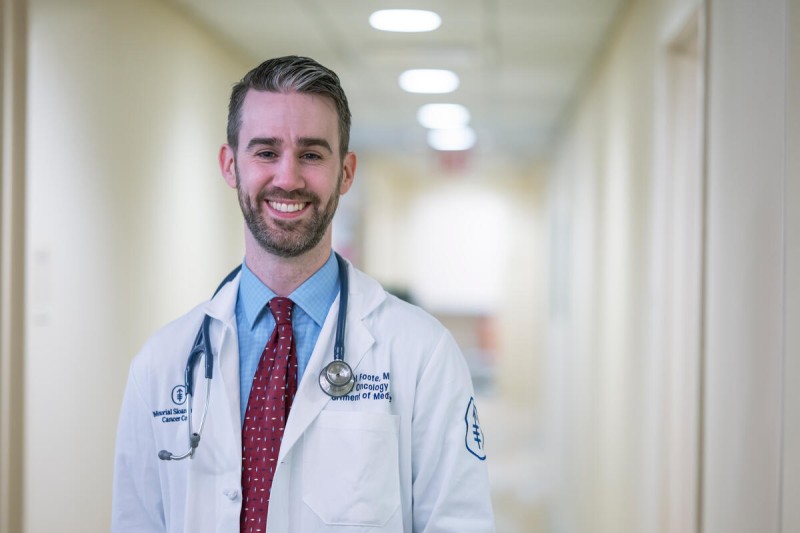
Gastrointestinal medical oncologist Michael Foote, MD, at Memorial Sloan Kettering Cancer Center (MSK), specializes in caring for people with colon and rectal cancer, which are often grouped together as colorectal cancer.
Here’s Dr. Foote’s advice on what to do next after diagnosis, including tips for lowering your stress.
Your Mindset After Being Diagnosed With Colorectal Cancer
It’s normal to feel scared after a cancer diagnosis.
But Dr. Foote reassures his patients that “colorectal cancer treatment has advanced tremendously in the last 10 years.” Overall, the incidence and mortality rate of colorectal cancer have dropped in the past decade.
Dr. Foote’s patients often come to their first appointment with outdated assumptions, based on the experiences of their parents or grandparents, or worst-case scenarios seen in movies or TV shows.
“Sometimes our imaginations are worse than reality,” he says. “Many of my first appointments turn out to be really reassuring to patients. I tell them they don’t need to change their expectations about life because they’ve been diagnosed with colorectal cancer.”
The bottom line, he says, is “try not to scare yourself too much.”
Tip: Be careful with online research.
Dr. Foote urges people facing cancer to understand the limitations of the information they read on the web. “Dr. Google doesn’t have the greatest bedside manner and can make very rare symptoms and complications seem more likely than they are,” he says. “AI platforms such as ChatGPT get it wrong almost half the time, based on research I’ve been part of. Online searches are no substitute for a true expert opinion.”
Who Cares for You After a Diagnosis of Colorectal Cancer?
Often, colorectal cancer is first diagnosed by either a gastroenterologist or a primary care physician, usually following a colonoscopy. “These professionals may have excellent insights,” says Dr. Foote, “but the patient will have questions about treatment and whether the cancer has spread. That requires an oncologist, meaning a doctor who is specially trained in cancer care.”
For many people, the first expert they will see is called a medical oncologist.
“Think of a medical oncologist as the quarterback or like a fancy primary care doctor,” says Dr. Foote. “They review your scans and tests and help guide your treatments, such as chemotherapy.”
They often serve as “a funnel to get you to other specialists, such as a surgeon or radiation oncologist,” he says. Sometimes these various experts will see a patient during the same day.
Tip: Ask for a copy of your CAT scan.
Many colorectal cancer patients at the beginning of their treatment journey are given a CT scan (sometimes called a CAT scan) of the chest, abdomen, and pelvis. The scan looks to see if the cancer may have spread to other places. This helps determine which treatment options may be best, including surgery, chemotherapy, or radiation.
“Ask the person who performs the CT scan if you can get a copy on paper or a computer disc,” advises Dr. Foote. “Different specialists will want to see that image, and if you have a copy, it can reduce the stress of waiting for it be emailed to doctors who need it.”
Where Should You Go for Treatment After a Colorectal Cancer Diagnosis?
Dr. Foote says this is a personal decision — it has to feel right for you. Factors affecting the decision may include a good relationship with a doctor, insurance considerations, convenience to home and work, and much more.
Dr. Foote urges people facing colorectal cancer to see if an academic medical center, such as MSK, might be right for them.
This kind of hospital focuses only on cancer and is also a major research center, meaning they run clinical trials that investigate new drugs and other therapies. That means you may have access to new treatments not available elsewhere.
Dr. Foote says centers such as MSK also excel at important aspects of colorectal cancer care that people should consider after being diagnosed. These include:
Genomic Testing
This rapidly advancing testing looks at the genes inside the tumor. The results can help doctors chose the best treatment. This kind of testing can reveal:
- Which treatments are most likely to work against the cancer — and which aren’t.
- Whether the patient has inherited a mutation from their parents, such as Lynch Syndrome. This makes a person much more likely to develop colorectal and other cancers. If doctors find inherited mutations, close family members may also want to get tested.
“We’ve pioneered this kind of genomic testing at MSK,” Dr. Foote says, “and we have the expertise needed to interpret the results, which can be complicated.”
Dr. Foote says that many patients treated at other places won’t receive this testing, particularly if they have early-stage cancer that hasn’t spread. “But at MSK, we know it can really help direct the best therapy if used from the very beginning of treatment.”
Less-Invasive Treatment for a Better Quality of Life
Dr. Foote says that MSK’s expertise means patients receive just the right amount of treatment to avoid side effects. “More treatment doesn’t actually mean you’re better off,” he explains. “A lot of the time, people suffer harm without really benefiting. At MSK, we try to get it exactly right.”
He points to several efforts at MSK that reduce side effects and improve quality of life. These include:
- “Watch and wait” treatment for rectal cancer. “At some hospitals, they remove the entire rectum and anus in surgery, which can have life-altering consequences, including needing an ostomy bag for life in some cases.” MSK has pioneered a watch-and-wait approach, which uses chemotherapy and other therapies to shrink the tumor and only moves to surgery if absolutely necessary. Nearly half of the rectal cancer patients at MSK are treated this way. “We lead the country in this approach,” Dr. Foote says.
- Using immunotherapy alone. A heralded series of clinical trials at MSK have used immunotherapy alone to treat rectal and colon cancer tumors that have a specific mutation called MMRd. Immunotherapy boosts the body’s own immune system to recognize and destroy cancer cells. The vast majority of colorectal cancer patients treated with this approach at MSK saw their cancer disappear without any surgery, chemotherapy, or radiation, allowing them to enjoy life without side effects from treatment.
Learn more about the latest treatments for colorectal cancer.
How Soon Do I Need To Be Treated?
In most cases, Dr. Foote says, you have a couple of weeks to make an appointment after diagnosis.
“Sometimes people are frantically calling and emailing and feel they need to be seen the very next day. But that’s not usually necessary,” he says. “I don’t want people to stress too much.” There are situations that require a quicker intervention, however, such as a bleeding tumor that is causing anemia.
In general, Dr. Foote says, it’s better to get the right treatment rather than to get treated fast.
Tip: Seeing several specialists is normal.
Dr. Foote says some people are concerned if they need to see several specialists, but this is normal. “You have a team taking care of you, including an oncologist, a surgeon, a radiation oncologist,” says Dr. Foote. “Seeing several specialists is actually a good sign that your care is comprehensive, and people should not be upset by it.”
What Should I Tell People in My Life After a Colorectal Cancer Diagnosis?
Dr. Foote says having support can make a big difference. “Bring someone with you to appointments if you can. It’s helpful to have another set of ears. You may be pleasantly surprised by how many people in your life will help you during cancer if you reach out.”
For children and other people who may be particularly sensitive, Dr. Foote recommends waiting until there are firm answers about treatment options before sharing a diagnosis. MSK has resources and counselors who can offer guidance.
Learn about the Center for Young Onset Colorectal and Gastrointestinal Cancer.
Tip: You’re in control of what you share about a cancer diagnosis.
People may ask about your cancer status before you’re ready to share. But just because you have been diagnosed with cancer does not mean you owe everyone the details.
“You can tell people you’re having intestinal problems without going into specifics if you’re not ready to share yet,” Dr. Foote suggests.
What Does a Colorectal Cancer Journey Look Like?
Of course, each person’s experience is unique.
But Dr. Foote says there are some typical milestones.
“For colon cancer, we often remove the tumor with surgery first, and then your team will decide if further treatment like chemotherapy, radiation, or immunotherapy is needed.”
When no further treatment is needed, “you follow up with your oncologist every three months for blood tests and a scan occasionally,” he says. Eventually those visits are spaced further apart. “Most people are followed closely for about five years.”
Rectal cancer care at MSK starts a bit differently, says Dr. Foote. “Instead of surgery first, often we try to do treatment such as chemotherapy or radiation to see if we can cure the cancer without needing surgery,” which can have more side effects with rectal cancer than colon cancer.
Follow up care is largely the same for rectal cancer, with most people seeing their cancer team for about five years after treatment.
Dr. Foote says that treatment for stage 4 colorectal cancer, where the disease has spread to other organs, can require more specialized treatments. But he wants to reassure people facing even the most aggressive forms of colorectal cancer that there are many promising treatments for them.
“A colorectal cancer diagnosis is frightening,” says Dr. Foote. “But many cases are curable and treatments keep improving. There is real reason for hope.”
Key Takeaways
- After a colorectal cancer diagnosis, your first step is usually to meet with a medical oncologist, a cancer specialist who helps lead your care and guide treatments like chemotherapy. You may also see a surgeon and radiation oncologist.
- In most cases after a diagnosis of colorectal cancer, you have a few weeks for doctors to plan your treatment, so it’s better to focus on getting the right care rather than rushing care decisions.
- Choosing where to get treatment is a personal decision. A research hospital like Memorial Sloan Kettering Cancer Center that focuses solely on cancer can offer advanced tools like genomic testing and newer treatments, including immunotherapy and less-invasive approaches that can reduce side effects.